Making housing more affordable in Portugal

Building a hug housing complex in Portugal

By Timo Leidecker, Antoine Goujard and Aida Caldera-Sanchez, OECD Economics Department

Being a young adult or family in Portugal looking for a home is difficult. For many it has become seemingly impossible to find an affordable home to buy or rent: 44% of respondents in a 2023 survey considered leaving Portugal due to difficulties to find affordable housing (Azevedo and Santos, 2023). After house prices have doubled over the last decade, well outpacing incomes, high housing costs eat into people’s living standards, prevent young people from starting a life on their own, or from going after promising jobs and career prospects if they live far away from where jobs are concentrated (Fig. 1).

Portugal’s housing pressures did not emerge overnight and cannot be blamed solely on the spread of short-term rentals or golden visa programmes. They result from several, long-standing issues: a collapse in construction during the economic crisis, high construction costs, a high share of Portugal’s large housing stock lying idle or only being used ineffectively, and inadequate housing support – all amplified in recent years by rising domestic as well as foreign demand.

What can be done? Successive governments have taken welcome steps aimed at expanding housing supply and support, including through tax exemptions for young first-time buyers and investments in social housing. Yet, as the 2026 OECD Economic Survey of Portugal argues, more decisive action is needed to deliver an effective and lasting solution. The OECD Survey identifies additional reform priorities, including to cut red tape in construction, strengthen fiscal incentives to mobilise existing housing, and provide more well-targeted housing support.

Boosting new construction and making better use of existing housing

New housing supply is held back by high construction costs, including from complex administrative procedures. Digitalising procedures and harmonising requirements for building permits across municipalities would speed up procedures and reduce uncertainty – particularly for smaller firms. High land prices further limit affordability. While recent reforms simplified access to land mostly for social housing, a broader review of spatial planning is needed to remove barriers to sustainable development more generally.

At the same time, fiscal incentives to use existing housing more effectively remain weak. Recurrent property taxes are low, including for those who rarely if ever use or rent their home. Transactions taxes are relatively high for households wishing to buy or downsize (although these were mitigated for young people through transaction tax exemptions). Outdated property tax values are a key contributing factor for the low effective recurrent taxation of housing wealth (Fig. 2). These features help explain the high share of vacant or seasonal homes across the country – even in high-demand areas – and mean that long-standing homeowners have often benefited from largely untaxed capital gains, while younger generations struggle to enter the market.

Gradually shifting from transaction towards recurrent taxes of immovable property, and raising taxation on underutilised housing where demand is high, would help bring more homes onto the market. Regularly updating taxable property values to reflect market prices would strengthen these incentives and improve equity.

Figure 2. Updating tax property values would strengthen fiscal incentives to use housing efficiently and improve equity

Note: Panel A: The OECD average is computed based on preliminary data. Data for Greece are missing. A selection of OECD countries is shown.
Source: OECD Revenue Statistics (database); Eurostat..

Scaling up social housing and housing allowances

Even with more flexible housing markets, many households will remain unable to afford adequate housing at market prices. Portugal has one of the smallest social housing stocks of the OECD (Fig. 3), and waiting lists for social housing are long – exceeding three years for example in Porto. Investment is increasing but further expansion will be needed. Given municipalities central role, this will hinge on providing targets adapted to local needs and ensuring adequate funding.

As long as social housing remains scarce, housing allowances in the private rental market will play a crucial role. Current spending – at around 0.1% of GDP in 2022 – is limited and aimed reaches more households with high incomes than low-income households. Better targeting and ensuring adequate benefit levels are essential to ensure access to decent housing while containing fiscal costs.

A coordinated reform package is essential

Portugal’s housing affordability challenge is solvable—but only through a comprehensive reform package. Because the underlying causes are deeply interconnected, isolated measures risk being ineffective or counterproductive. Expanding housing support without boosting supply can push prices even higher; rebalancing rental regulations without adequate allowances can increase hardship. Reducing supply constraints would, in turn, lower construction costs, including for social housing, while making private rental investment more attractive.

Implemented together, the reforms proposed in the OECD Survey—to expand supply, mobilise existing housing, and strengthen housing support—can help restore better functioning housing markets. As a package, they would help ensure that everyone can find a suitable home they can afford—an outcome that is key not only to Portugal’s economic prosperity, but to its social and generational fabric.

For more information, visit the Portugal Economic Snapshot page.

References:

OECD (2026), OECD Economic Surveys: Portugal 2026, OECD Publishing, Paris, https://doi.org/10.1787/abc5c435-en.

Azevedo, A. and Santos, J. (2023), Housing Barometer, Francisco Manuel dos Santos Foundation https://ffms.pt/sites/default/files/2023-11/BarometroHabitacao-v7.pdf


Ireland: Boosting housing supply to raise living standards and preserve competitiveness

By Patrizio Sicari and Müge Adalet McGowan.

Over recent decades, Ireland has seen significant gains in living standards, alongside a gradual decline in income inequality. These improvements are largely driven by economic growth stemming from substantial foreign investment inflows, attracted by Ireland’s favourable corporate tax regime, stable political environment, business-friendly regulations, and a skilled workforce. As a result, high-productivity sectors dominated by foreign-owned multinationals now account for nearly half of total value added, contributing significantly to domestic employment and tax revenues, which are at historical highs.

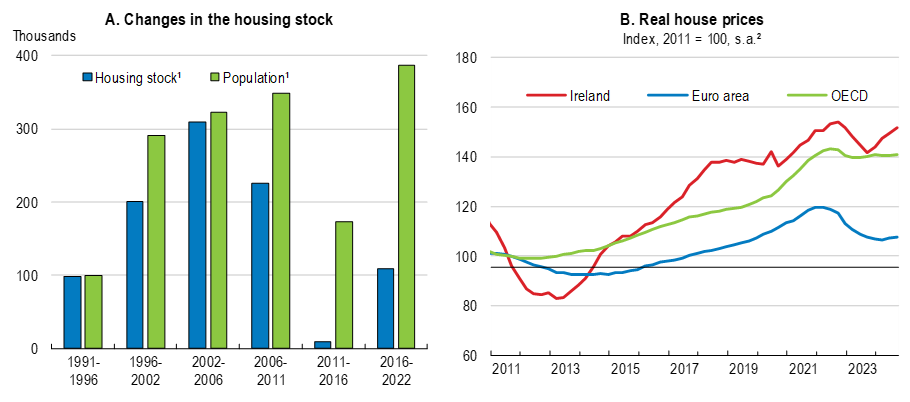
Against this background, however, Ireland’s infrastructure bottlenecks, resulting from a long spell of under-investment in the wake of the global financial crisis, are a growing drag on its competitiveness. As highlighted in the 2025 OECD Economic Survey of Ireland, these challenges are particularly pronounced in the housing sector. Since the 2010s, population growth, fuelled by strong net inward migration, has consistently outpaced forecasts and significantly exceeded the increase in the housing stock (Figure 1). Amid the economy’s continued strength, pent-up demand for housing collided with supply rigidities, resulting in a sharp rise in house prices, to which an underdeveloped private rental market could offer little relief. The resulting housing availability and affordability challenges have societal and distributional implications for individuals. There are also aggregate consequences on the competitiveness of the Irish economy, as the lack of sufficient housing, at affordable prices and in locations close to economic activity, is affecting employers’ ability to attract labour and their decision on where to grow and invest.

Figure 1. Housing supply and demand imbalances have pushed prices up

Note: 1. Changes relative to previous census. 2. Nominal house prices deflated by the private consumption deflator.
Source: Central Statistics Office; OECD, Analytical House Price Indicators.

Strong state support, in line with the comprehensive 2021 Housing for All plan, will be paramount to boosting housing supply, particularly affordable purchase and cost-rental units. The government recently raised the target for the average annual number of new houses to 50 500 – considerably higher than around 30 000 completions achieved in 2024. Effectively meeting these national targets, though, will hinge on having local sub-targets well-aligned with local conditions, as the regional distribution of residential zoned land and demand are mismatched. On-going reviews of the framework for determining local targets are thus warranted and should prevent local authorities from interpreting them as ceilings.

More efficient planning services are critical to reviving housing supply. The Planning and Development Act 2024 aims to ease barriers to new housing by streamlining planning processes and better qualifying the standing rights for initiating judicial review proceedings against administrative planning decisions. The Act also fosters consistency in planning decisions across all tiers of administration and restructures the national planning body. Alongside ongoing efforts to address staff shortages in local planning authorities, these measures are expected to improve planning efficiency. However, given the Act’s complexity, its full impact may take time to emerge, and will depend on the speed with which needed secondary legislation will be deployed. Meanwhile, faster adoption of e-planning and enhanced data collection frameworks should be prioritised to drive rapid improvements in planning authorities’ case management.

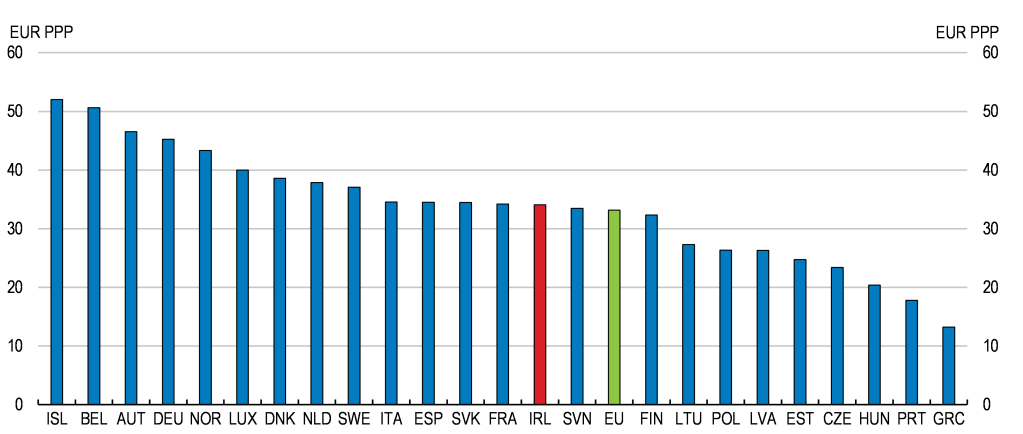
High costs and low productivity in the construction sector (Figure 2) are another barrier to meeting housing targets cost-effectively. This reflects a fragmented market, in which over-reliance on subcontracting and lack of standardisation hinder economies of scale. Reforming unit specifications and sizes, particularly for apartments, alongside better-defined housing types and improved designs, would improve cost efficiency and housing affordability. Regular updates to the technical guidance that accompanies building regulations would also facilitate the adoption of standardised construction methods. The government could leverage its purchasing power in the housing market by setting mandated targets for standardisation for the provision of new social housing.

Figure 2. Increased standardisation would lower costs and boost productivity in the construction sector

Gross value added per hour worked, construction sector, 2023

Source: Eurostat, National Accounts.

National land-use data are scattered and not standardised, and a land-use classification system is lacking, hampering planning. Enhanced efforts to adopt a national land-use map could significantly improve resource allocation and decision-making, supporting the government’s objective to prioritise compact urban growth in high-demand areas by identifying viable brownfield sites more effectively. Brownfield development, typically requiring less infrastructure investment than greenfield alternatives, would decrease fiscal costs. Greenfield options could be reserved for urban areas in which brownfield development proves unsustainable, provided they are well-connected to strategic transport networks. This would help reduce urban sprawl and minimise the environmental footprint of new developments.     

In addition, the 2025 OECD Economic Survey of Ireland provides an assessment of housing taxation, rental markets and social housing, and highlights the need for a coordinated and forward-looking approach to housing policies to create investment certainty and boost housing supply.

References

OECD (2025), OECD Economic Surveys: Ireland 2025, OECD Publishing, Paris, https://doi.org/10.1787/9a368560-en.


A roadmap for efficient, inclusive and sustainable housing in Slovenia

By Volker Ziemann, OECD Economics Department

Like many other countries, Slovenia faces complex housing sector challenges that must be addressed to preserve the current high quality of life. High demand and a limited supply have led to low residential mobility, soaring prices, a high prevalence of commuting and increasing concerns about housing affordability. Slovenia’s investment in homebuilding lags behind both the EU and OECD averages (Figure 1). Insufficient investment is a major factor contributing to the housing shortage and rising prices.

Figure 1. Residential investment is subdued

Note: Data refers to the European Union including 27 countries. Unweighted averages for OECD and European Union aggregates.
Source: OECD Economic Outlook: Statistics and Projections database; Eurostat National Accounts database; OECD calculations.

The roots of Slovenia’s housing challenges can be traced back to the 1990s privatisations. While this led to high homeownership rates, it also had unintended consequences. The housing supply became restricted, mobility decreased, a private rental market remained in its infancy. As a result, many young families and first-time buyers find themselves today with limited housing options. Moreover, the ageing housing stock further defies ambitious climate goals. To address these challenges, the latest OECD Economic Survey of Slovenia proposes a comprehensive roadmap of reforms that would help to ensure that all Slovenians can access high-quality, affordable, and sustainable housing.

Inefficient spatial planning and cumbersome permitting processes have stifled residential construction. While there have been some recent improvements, the pace of investment remains insufficient to meet the growing demand. Streamlining spatial planning processes, notably through better coordination across levels of government (Figure 2), and establishing one-stop shops for building permits would help improve the governance of housing markets and unlock the potential for new housing.

Figure 2. Inefficient land-use governance restricts construction activity

Source: OECD Housing Governance Indicators Dashboard, https://www.oecd.org/housing/policy-toolkit/data-dashboard/housing-governance.

The private rental market is underdeveloped, and a more accommodating framework is needed to make it grow. A lack of standardised contracts, tax biases, and an imbalance in tenant-landlord rights have hindered its development. Slovenia can foster a thriving private rental sector that offers attractive long-term housing solutions by introducing clear regulations and ensuring fair treatment for both parties.

The proliferation of secondary homes and short-term rentals, fueled by favourable regulations and tax incentives, has further exacerbated the affordability crisis. These properties often sit vacant for much of the year, removing them from the long-term rental market and driving up prices. Harmonising the taxation of rental revenues and implementing a comprehensive recurrent tax on immovable property based on actual market values could incentivise owners to make these homes available for long-term rentals, increasing supply and easing pressure on the market. Taxing land more than the structure on it could further incentivise the construction of underdeveloped or idle land.

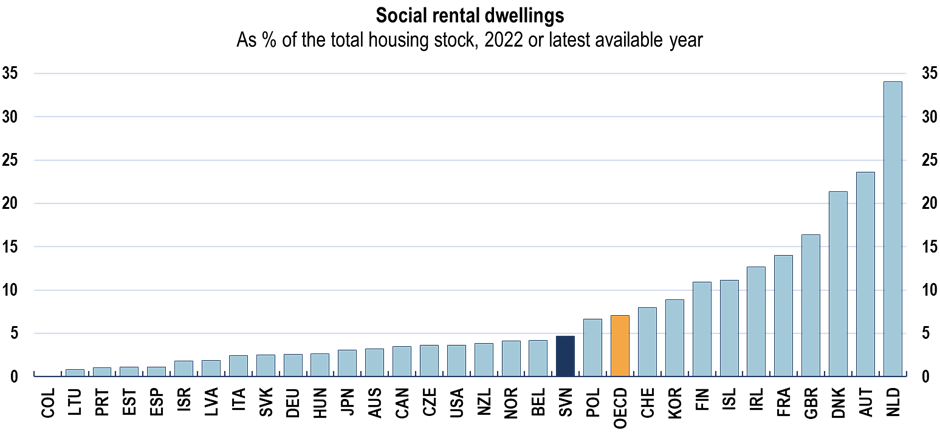
Figure 3. There is scope to expand the social housing stock

Source : OECD Affordable Housing Database (AHD).

Slovenia’s social housing sector is also underdeveloped compared to that of its European neighbours (Figure 3). The upcoming Housing Act presents an opportunity to rectify this situation. A revised social rent formula, coupled with incentives for potential providers, including limited-profit housing associations, could pave the way for increased investment in social housing, providing affordable options for low-income families and individuals.

Slovenia’s mortgage markets are small, limiting access to finance for aspiring homeowners. Promoting competition in the banking sector and empowering consumers with financial knowledge is crucial to expand housing finance and increase homeownership opportunities. Moreover, making more and better use of credit registers could reduce lending margins and fuel demand for mortgage financing.

Figure 4. Incentivising renovation is needed to accelerate the decarbonisation of homes

Note: Dotted line refers to projections.
Source: IEA Energy Efficiency Indicators, 2023.

Finally, the decarbonisation of Slovenia’s housing stock is a pressing concern (Figure 4). A significant portion of residential buildings are outdated and energy-inefficient. The recent energy crisis has underscored the urgency of transitioning to energy-efficient housing. While the investment required is substantial, a combination of fiscal support measures and enforceable regulations can help homeowners make the necessary upgrades.

Slovenia’s housing challenges are complex and multifaceted, but they are not insurmountable. By implementing comprehensive reforms that address inefficiencies and policy bottlenecks, Slovenia can create a more efficient, inclusive, and sustainable housing market.

Reference

OECD (2024), OECD Economic Surveys: Slovenia 2024, OECD Publishing, Paris, https://doi.org/10.1787/bc4a107b-en.


Addressing housing market challenges in the Slovak Republic

By Federica De Pace

As in many OECD countries, housing affordability deteriorated in Slovakia before the energy crisis. Between 2015 and 2022, house prices rose at a much faster pace than households’ income (Figure 1). Since 2022, the cost-of-living crisis has been squeezing real incomes, dampening housing demand and resulting in declining house prices. However, with interest rates and mortgage costs surging, housing affordability remains a challenge today. Moreover, Slovak households have been particularly exposed to the surge in energy prices, as nearly 10% of their budget accounts for electricity and gas expenditures – the highest share among OECD countries. The poor thermal performance of the housing stock, mostly comprising buildings that were constructed during the communist era, contributes to explaining such high costs for electricity and heat. Last, many low-income households, especially in the Roma community, live in low-quality and overcrowded housing, and homelessness has reached an alarming dimension over the past years.

Figure 1. House prices have increased faster than incomes until 2022

Price to income ratio, index 2015 = 100

Source: OECD Analytical House Prices database.

To address these housing market challenges, Slovakia needs to find ways to boost efficiency, promote affordability and inclusiveness, and accelerate environmental sustainability of housing. To do so, the 2024 OECD Economic Survey of the Slovak Republic suggests reforms in five broad areas:

1.Streamlining housing construction. Administrative inefficiencies in the building permits procedures contribute to slow the responsiveness of housing supply to demand pressures. The process for obtaining building permits is very slow: in 2019 it took on average 300 days versus 152 days in the average OECD country (World Bank, 2019). Expediting the adoption of digitalisation in building permits would accelerate procedures and enhance housing supply responsiveness, alleviating pressures on housing prices. Furthermore, land use policy is highly decentralised. This leads to inefficiencies in the management of resources, challenges in hiring qualified staff for construction-related tasks and an increased risk of policy capture by local stakeholders, resulting in blockages of construction projects at local level. Giving more responsibilities to higher levels of government in land use policy and construction-related activities would help to facilitate construction projects.

    2. Expanding the private formal rental market. As a consequence of the privatisation of state-owned housing during the transition to a market economy in the early 1990s, most households own their home, and the formal private rental market is thin. Developing the private rental market can spur residential (Figure 2) and labour mobility. This can help to reduce skill shortages and improve matching between employers and employees, with positive effects on productivity. It requires inter alia striking a better balance between the interests of landlords and tenants, for example by making provisions for a rental contract that ensures enough flexibility and security for both parties.

      Figure 2. Homeownership is negatively correlated with residential mobility

      Source: OECD Affordable Housing database; and OECD (2021), Brick by Brick: Building Better Housing Policies, OECD Publishing, Paris, https://doi.org/10.1787/b453b043-en

      3. Reforming housing taxation. Revenues from recurrent taxes on immovable property are low in international comparison. A comprehensive reform package shifting the burden from labour to property taxation has the potential to reduce distortions to economic growth.  Moreover, basing property taxes on regularly updated property values would help stabilise fluctuations in housing prices and improve equity. Gradually phasing-in the taxes and introducing tax deferrals, for example by paying the tax only when a house is sold or bequeathed, can increase acceptance and protect vulnerable homeowners.

      4. Increasing housing inclusiveness. Many low-income households live in poor housing conditions and are overburdened by housing costs. These issues are particularly pronounced among the Roma, where the overcrowding rate reaches 80% and almost a third of the community lives in dwellings without access to tap water (European Agency for Fundamental Rights, 2022). Accelerating the formalisation of property rights in Roma settlements would help to provide access to basic infrastructure, such as tap water and sanitary facilities, improving life conditions and promoting social integration. Higher investment in social housing, especially in areas connected to job centres and transports, and expanding targeted housing allowances would help to raise affordability and reduce social exclusion.

      5. Strengthening incentives to accelerate housing renovation. Higher carbon prices in the building sector, as planned at the European level from 2027, would provide strong incentives for renovating housing and shifting to lower-emission heating systems. In addition, implementing stricter regulation, including by extending coverage of high-quality energy performance certificates and relaxing voting rules for renovation works in multi-apartment buildings, together with targeted financial assistance to low-income households living in the most energy inefficient dwellings would help to further incentivise housing renovations, reduce energy poverty and advance environmental objectives. 

      Reference

      OECD (2024), OECD Economic Surveys: Slovak Republic 2024, OECD Publishing, Paris, https://doi.org/10.1787/397ca086-en.


        Addressing the housing challenges in Central and Eastern Europe

        By Federica De Pace, Francesca Papa and Filippo Cavassini, OECD Economics Department; Willem Adema and Marissa Plouin, OECD Directorate for Employment, Labour and Social Affairs.

        The historical development of housing in Central and Eastern European (CEE) countries continues to have implications for the tenure, type, quality and affordability of housing today, calling for policy actions to address a looming affordability challenge.

        An ageing and low-quality housing stock

        CEE countries record some of the highest homeownership rates in the OECD, with over 70% of households owning their home outright. This is largely due to historical reasons, following the privatisation of state-owned housing in the transition to a market economy in the early 1990s. The formal rental market is generally thin and underdeveloped — only in the Czech Republic is the rental market home to more than 15% of households (19%).

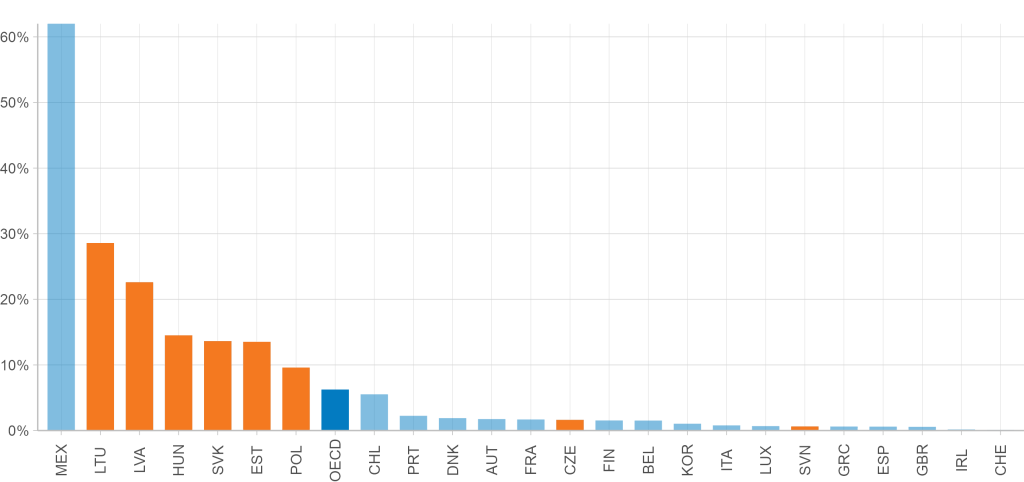
        Multi-apartment buildings dominate the housing stock, many built during the communist period. As a result, the stock is ageing and of poor quality. Most households cannot afford to maintain or upgrade their dwellings according to environmental requirements. The share of poor households living in dwellings without access to indoor flushing toilets is well above OECD average in Lithuania, Latvia, Hungary, Slovakia, Estonia and Poland (Figure 1).

        Figure 1. The housing stock is of poor quality for many households across the income distribution

        Share of poor households1 without an indoor flushing toilet (2019)

        1: Households with less than half of the median equivalised disposable income.
        Source: OECD, Affordable housing database.

        A looming affordability issue

        Although households in CEE countries spend less on housing than in other OECD countries (OECD Affordable Housing Database), housing prices in CEE have increased substantially over the past decade and faster than the OECD average (Figure 2).

        This is not surprising. As in most OECD countries, the strong increase in housing demand in CEE – also fed by the steady increase in average income and abundant mortgage funding prior to the Global Financial Crisis – has not been accompanied by a corresponding increase in housing supply. Housing investment rates in CEE countries have been substantially lower than the OECD average.

        Figure 2. Housing prices in CEE have increased substantially over the past decade and at a faster rate than the OECD average

        Source: OECD, Analytical house price database.

        Affording better quality housing is thus out of reach for many households in CEE countries. For example, an OECD housing affordability review of Latvia shows that 44% of all households – the “missing middle” — are too rich to qualify for social housing or a housing allowance yet too poor to reasonably afford a commercial mortgage (OECD, 2020a).  

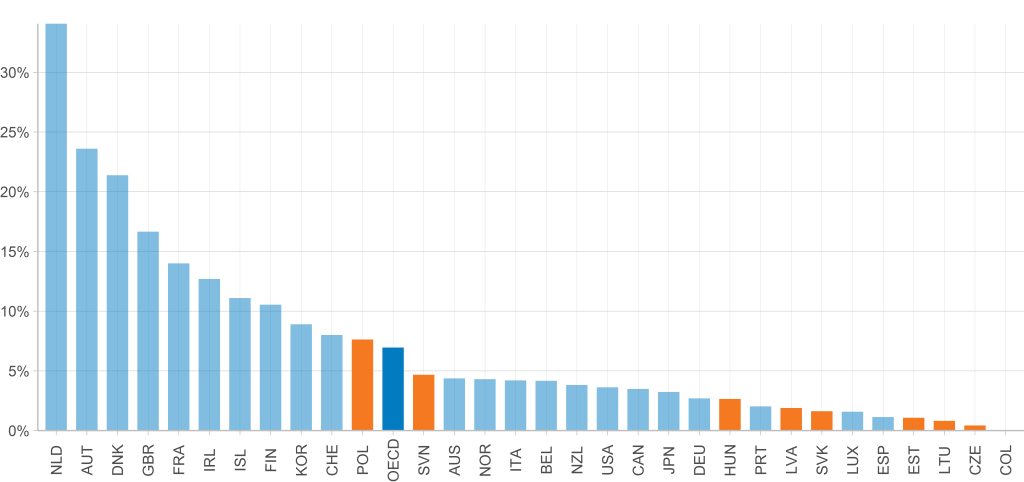
        In parallel, the social housing supply in most CEE countries is well below the OECD average, with the exception of Poland and Slovenia (OECD, 2021). As in most OECD countries, the development of the social housing stock has not kept pace with overall housing construction (Figure 3).

        Figure 3. The social housing stock in CEE countries is substantially smaller than the OECD average

        Number of social rental dwellings as a share of the total number of dwellings, 2020

        Source: OECD Affordable housing database.

        What can be done?

        OECD countries have taken different approaches to address some of the challenges, from reserving a share of new developments to social housing to tax incentives, among others. Establishing a dedicated funding instrument to boost investment in affordable housing whilst creating the institutional and policy environment to support such investments can be a particularly promising way to address some of the housing challenges in CEE countries.

        Boosting sustainable, targeted support for affordable housing

        Developing special-purpose funding instruments to channel resources towards affordable and social housing, such as dedicated housing funds, can be an important tool to address the quality, environmental and affordability challenges in CEE countries. Slovakia and Slovenia have already established dedicated housing funds; Latvia is working in this direction. Such funds hold important potential to increase the currently limited housing investment in the region and offer accessible long-term funding needed to bridge affordability and quality gaps (Figure 1 and 2). The OECD 2020 Economic Survey of Lithuania highlighted how the creation of a housing fund could be an effective strategy to improve quality and energy-efficiency of dwellings (OECD, 2020b).

        Resources channelled through these funds can leverage public and private funding. In countries where these funds and funding mechanisms have been in place for decades, like Austria and Denmark, funding for social and affordable housing relies on a combination of market loans, guarantees and rental payments. State guarantees help keep borrowing costs low.

        The “revolving” element of these funds helps ensure financial sustainability over time, as well as continuous improvements of the housing stock. In Denmark, 2.8% of tenants’ rents contribute to the loan repayment and, once the loan is repaid, are used to finance renovations and improvements. In Austria, tenant equity contributions (about 5-10%) enable low-profit housing associations to generate the surpluses needed to build up equity for future investments, functioning as an internal revolving fund for the associations’ activities. In Latvia, the proposed Housing Affordability Fund will be designed as a revolving fund in which rents paid by tenants are perpetually reinvested in the Fund to finance the construction of affordable rental housing and support upgrades and maintenance.

        In Slovakia and Slovenia, the funds directly rely on public funding to construct, repair, and maintain dwellings. In Slovakia, the fund has become financially self-sustained and now relies primarily on the repayments of the loans it provides. The Slovakian State Housing Development Fund has helped support maintenance and refurbishments, responding to the quality gaps common in CEE countries. Half of the refurbished dwellings in Slovakia – a quarter of the overall stock – have been renovated using the Fund.

        Creating an enabling environment for better housing quality and affordability

        Establishing a fund is an important step – but it isn’t enough. OECD experience shows that funding mechanisms need to be supported by a larger institutional and policy environment – an “eco-system” – in which central and local governments, financial institutions and non-profit housing associations work together for a common purpose. This institutional and policy environment should accompany efforts in CEE countries to bolster sustainable funding for quality, affordable housing.

        In Austria, Denmark and the Netherlands, for instance, housing associations have been active in developing and maintaining social and affordable housing. While such actors are less developed in CEE countries, opportunities to further develop such a sector could help meet demands and needs that are currently not met by existing market actors. In Slovakia, not-for-profit organisations are eligible for loans from the State Housing Development Fund. In Slovenia, the Housing Fund co-invests in local community housing programmes, working with municipalities and non-government organisations to meet local needs.  

        New funding mechanisms to channel investment in housing, bolstered by an enabling institutional environment, can support housing policy development and implementation and act as a catalyst for substantial improvements in housing quality and affordability in CEE countries.

        References

        OECD (2020a), Policy Actions for Affordable Housing in Latvia, OECD Publishing, Paris, https://issuu.com/oecd.publishing/docs/latvia_housing_report_web-1

        OECD (2020b), OECD Economic Surveys: Lithuania 2020, OECD Publishing, Paris, https://doi.org/10.1787/62663b1d-en

        OECD (2021), Brick by Brick: Building Better Housing Policies, OECD Publishing, Paris, https://doi.org/10.1787/b453b043-en

        OECD Affordable Housing Database, https://www.oecd.org/housing/data/affordable-housing-database/


        Improving economic opportunities for all in Belgium

        By Nicolas Gonne and Müge Adalet McGowan, OECD Economics Department.

        Belgium has low income inequality overall, thanks to extensive tax and transfer policies and strong institutionalised social dialogue. However, as in other OECD countries, there is scope to improve equality of opportunities. Indeed, Belgium’s good overall performance regarding income distribution hides an unequal access to life chances, with considerable disparities according to, notably, parental background and country of origin.

        Improving economic opportunities for all in Belgium would promote well-being and potential growth by better allocating talents, but also help alleviate fiscal sustainability challenges by reducing the need for redistribution. Based on new OECD evidence from survey microdata (Périlleux et al., forthcoming), the latest Economic Survey of Belgium identifies three key barriers to equal opportunities: low labour market transitions, inequity in compulsory education and a lack of affordable housing. The Survey discusses policies that can tackle these barriers, with a particular focus on the situation of vulnerable groups, such as the low-skilled, people with a migrant background and single mothers. As competencies concerning the labour market, education and housing spread across different levels of government, some recommendations are more relevant to specific regions and communities according to their policy needs and priorities.

        Improving the labour market outcomes of vulnerable groups

        Important reforms have contributed to increasing the participation of low wage earners and older workers in Belgium. Yet, employment gaps remain particularly large for disadvantaged groups, such as non-EU migrants, the low educated and people with disabilities (Figure 1), in part reflecting weak digital skills and low participation in training. Lifelong learning programmes and actors involved should be streamlined and vulnerable groups prioritised for face-to-face career guidance, as complexity is particularly detrimental to their participation.

        Figure 1. Employment gaps are particularly large for disadvantaged groups

        Note: Employment gap defined as the difference between the employment rate of prime-age men (aged 25-54) and that of the group, expressed as a percentage of the employment rate of prime-age men (more details).
        Source: OECD calculations based on OECD Employment database, OECD International Migration database, OECD Education Database and OECD Family database.

        The planned introduction of the individual training account, as recommended in the previous Economic Survey of Belgium, is a major step in the direction of increasing lifelong learning efficiency and inclusiveness, but successful implementation requires the provision of high quality training in areas of skill needs and coordination across regions. Moreover, the use of statistical profiling tools for delivering employment services to target vulnerable groups should be expanded. As low employment rates also reflect gaps in individual support for sickness and disability beneficiaries, individual placement and support programmes should be scaled up further, conditional on their evaluation. Finally, introducing in-work benefits for low-wage workers with children would strengthen their work incentives, as low-income single parents and second earners with children face among the highest participation tax rates in the OECD.

        Enhancing equal opportunities in compulsory education

        Belgian students’ overall academic performance is at par with peer countries. However, student achievement strongly depends on parental background (Figure 2), leading to large disparities across schools and programmes due to a cumulative process of socio-economic self-sorting and academic selection. Schools are incentivised to diversify their student intake, but not to achieve good educational outcomes for weaker students. Reliable performance indicators and other data on successful study progression should be used to inform school funding based on educational improvements made with disadvantaged students. Moreover, schools should be further encouraged to organise programmes across the general and vocational tracks and to enable transfers between them, as low mobility between tracks reduces the prospects of students from disadvantaged backgrounds. Finally, stronger incentives and training for new teachers can reduce attrition and attract teachers to schools with a high concentration of disadvantaged pupils, through strengthening induction programmes and rewarding teaching in disadvantaged schools with financial incentives or improved and stable career prospects.

        Figure 2. Student achievement strongly depends on parental background

        Note: OECD calculations based on regressions of PISA test scores in reading on the index of economic, social and cultural status (ESCS).
        Source: OECD (2019), PISA 2018 Results (Volume II): Where All Students Can Succeed, OECD Publishing, Paris.

        Promoting affordability and quality on the housing market

        In Belgium, housing conditions overall are among the best in the OECD according to the OECD Better Life Index. However, access to affordable housing has become increasingly challenging for low-income households, who bear a high burden from housing costs (Figure 3). The supply of social housing is too low, especially in large cities, such as Brussels, and price differentials with the private housing market hinder moves, thereby distorting work incentives. The regions should expand rental allowances to cover low-income private market tenants, while proceeding to increase the social housing stock.

        Figure 3. Low-income households bear a high burden from housing costs

        Note: Households on the private rental market; low-income households belong to the bottom income quintile; overburden is more than 40% of disposable income on total housing costs (more details).
        Source: OECD Affordable Housing database.

        References

        Adalet McGowan, M.  and N. Gonne (2022), “Addressing medium-term fiscal challenges to address future shocks in Belgium”, Ecoscope, Blog posted on 14 June 2022.

        Gonne N. (2022), “Improving economic opportunities for all in Belgium”, OECD Economics Department Working Papers, No. 1722, OECD Publishing, Paris,
        https://doi.org/10.1787/662d50d9-en

        OECD (2022), OECD Economic Surveys: Belgium 2022, OECD Publishing, Paris, https://doi.org/10.1787/01c0a8f0-en.

        OECD (2020), OECD Economic Surveys: Belgium 2020, OECD Publishing, Paris, https://doi.org/10.1787/1327040c-en.

        Périlleux, G., N. Gonne, S. Cassimon and M. Adalet McGowan (forthcoming), “Upward income mobility and vulnerable households in Belgium: Evidence from survey microdata”, OECD Economics Department Working Papers, OECD Publishing, Paris.


        No Home for the Young?

        By Boris Cournède, OECD Economics Department, and Marissa Plouin, OECD Directorate for Employment, Labour and Social Affairs.

        Many young people, who have been hard hit by the economic and social impacts of the COVID-19 pandemic, increasingly struggle to find a quality, affordable home of their own. The enduring rise of real rents and house prices over the past decades has made it more and more difficult for them to rent or buy their first home in many OECD countries. In a new Issues Note, we document a number of key challenges facing young people in the housing market and highlight a series of questions for policymakers (Cournède & Plouin, 2022).

        We find that young people face a number of common challenges even though housing markets differ considerably from one OECD country to another. For instance, in most OECD countries, more than half of young people in their twenties live with their parents – and the share reaches around three-quarters of young adults in Korea, Greece and Italy (Figure 1). In several OECD countries, this share has increased over the past decade (OECD, 2021).

        Figure 1. In most OECD countries, more and more young adults live with their parents

        Share of young people (20- to 29-year-olds) living with their parents, 2007 and 2019 or latest year available

        Note: Data refer to 2019 except for: Korea (2016); Italy, Australia, Canada, Chile, Iceland (2017); Mexico (2018).
        Source: Calculations based on EU-SILC, HILDA (Australia), CASEN (Chile), KLIPS (Korea), ENIGH (Mexico) and CPS (United States).

        Far fewer young households own their homes than their older counterparts. Given their typically lower incomes and wealth, and higher likelihood of being employed in unstable or informal jobs, young households often depend on taking out a housing loan to buy a first home. While financial deregulation in the 1980s and 1990s initially facilitated access to the mortgage market by young households, over time these effects have become increasingly reflected in higher house prices. Young people are also more likely to live in poorer quality housing. In the EU, for instance, as of 2019, 26% of the young population (aged 15-29 years old) lived in overcrowded dwellings, compared to 17% of the general population (Eurostat, 2020).

        Young people are struggling in the rental market, too. Even though the rental market is home to many young adults in OECD countries, rents – which were already rising fast prior to the pandemic – have once again begun to climb in many OECD countries (OECD, 2021). Social housing has become scarcer in many places, further limiting young people’s affordable housing options (OECD, 2020). While renting can provide residents with greater flexibility than owning a home, some research suggests that the high number of young renters is driven more by financial constraints and the difficulties to buy a home, rather than by preference. Indeed, when asked about their top concerns, young people are more likely than any other age group to report housing affordability as a top concern (OECD, 2021).

        While data are hard to come by, youth homelessness has been on the rise in some countries. Roughly 3 in 10 homeless people were young adults in Australia (2016), the Netherlands (2018), Denmark (2019) and Costa Rica (2020). Among countries for which data are available over time, youth homelessness more than doubled in the Netherlands between 2010 and 2018, and increased by 30% in New Zealand between 2006 and 2018 and by 20% in Australia between 2011 and 2016 (OECD, 2021; OECD, 2020).

        But we are still left with a number of questions about the best way to make it easier for young households to find a home that meets their needs and matches their preferences. For instance, to what extent do measures to support mortgage borrowing (such as guarantees, subsidies, tax breaks, contract savings schemes) really help young households access home ownership – rather than inflate house prices and rents? What is the best policy mix (housing allowances, social housing construction) to help youth access affordable, quality rental housing – and how can regulations level the playing field and encourage a thriving rental market? How can policy makers ensure that the ambitious building standards and retrofitting efforts required to achieve climate targets do not put affordable housing further away from the reach of the next generation? How can governments work with local authorities and others to meet the diverse needs of young people suffering from homelessness?

        The adoption of the OECD Recommendation on Creating Better Opportunities for Young People at the Meeting of the OECD Council at Ministerial Level reflects increased awareness of the need to tackle long-standing challenges facing young people. The Recommendation includes a call to “ensure affordable, accessible and quality housing for all young people and their dependants through close collaboration of all levels of government and the involvement of civil society and the private sector.” We hope to build on this momentum and strengthen the policy response to enable young people to have a safe, affordable place to call home.

        References

        Cournède, B., & Plouin, M. (2022). No Home for the Young? Stylised Facts and Policy Issues. Récupéré sur OECD Housing: https://www.oecd.org/housing/no-home-for-the-young.pdf

        Eurostat. (2020). Young People – Housing Conditions. Récupéré sur https://ec.europa.eu/eurostat/statistics-explained/index.php?title=Young_people_-_housing_conditions

        OECD. (2020). Better data and policies to fight homelessness in the OECD. Policy Brief on Affordable Housing. OECD Publishing, Paris. Retrieved 03 16, 2020, from http://oe.cd/homelessness-2020.

        OECD. (2021). Affordable Housing Database – OECD. Retrieved from http://www.oecd.org/social/affordable-housing-database.htm

        OECD. (2021). Brick by Brick: Building Better Housing Policies. OECD Publishing, Paris. doi:https://dx.doi.org/10.1787/b453b043-en

        OECD. (2021). Main Findings from the 2020 Risks that Matter Survey. OECD Publishing, Paris. doi:https://dx.doi.org/10.1787/b9e85cf5-en


        The landscape of housing finance in OECD countries: shifts and faultlines

        By Boris Cournède and Caroline Roulet, OECD Economics Department

        Housing finance is critical to help households make their typically largest purchase in their lives and makes up a very large part of financial markets of OECD countries. The OECD has undertaken in-depth work to map and better understand the drivers and implications for borrowers of cross-country differences in mortgage finance and the risks for global financial markets that stem from the on-going transformation of real-estate-credit markets. Two companion papers, one focussing on households willing to borrow (van Hoenselaar et al., 2021) and the other one on global housing finance markets (OECD, 2021)., provide detailed analysis and discuss reform options to improve the functioning of real estate finance markets so that they better serve households without accumulating systemic risk.

        Mortgages look different across OECD countries

        The landscape of housing loan markets varies a lot across OECD countries. There are considerable differences in mortgage take-up across OECD economies. Within countries, the share of households with a mortgage is substantially lower for low-income households and young households. Several countries promote homeownership and mortgage access through tax subsidies (such as mortgage interest deduction) or other mortgage support schemes. However, as these subsidies become partly capitalised in house prices, they prove largely ineffective in improving housing accessibility and are often mostly benefit the upper-middle rather than the lower part of the income distribution.

        Regulatory ceilings on loan-to-value (LTV), loan-to-income (LTI) or debt-service to income (DSTI) vary widely across OECD economies. Similarly, the extent of effective borrowing, measured by mortgage debt to income ratios, exhibits considerable cross-country differences. Several mortgage characteristics such as variable interest rates, foreign-currency payments and interest-only payments are common in some countries, widening the debt-related risk exposure of households.

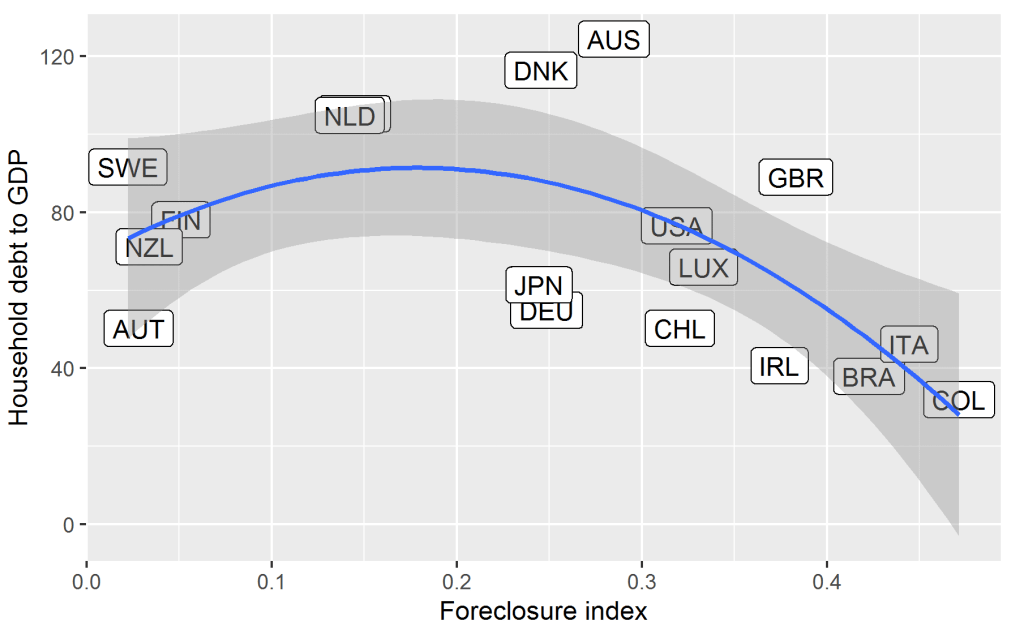
        Across OECD economies, there are many discrepancies in how borrower and creditor rights are balanced and how quickly insolvency is resolved. A new Foreclosure Regulation Index built for the report uncovers that mortgage markets are deepest in countries where the index shows that creditor and borrower rights are well balanced.

        Figure 1. Balanced foreclosure regulation settings are associated with greater household access to credit

        Foreclosure index (greater values mean stronger borrower protection) vs. household debt

        Note: Greater values of the Foreclosure index means that regulations are focussed on protecting borrowers rather than lenders. The blue line shows the fitted values of a quadratic relationship between the variables; the grey bands depict 95 per cent confidence intervals.
        Source: van Hoenselaar et al (2021).

        Global real estate finance markets are undergoing deep changes

        Since the Global Financial Crisis (GFC), the credit quality of structured real estate finance products has broadly improved, as securities are no longer backed by subprime and Alt-A collateral. In this regard, regulators have strengthened regulation and oversight to better address risks posed by securitisation. Also, national authorities and international organisations have made considerable progress to identify and better understand activities and risks in financial intermediation more broadly across the world. All these developments have contributed to more stable real estate finance markets in the last decade. However, very low interest rates in the aftermath of the GFC have led to a substantial rise in indebtedness of households and corporates concomitantly with real estate prices, which have risen above 2008 pre-crisis levels in many jurisdictions, which has in turn increased concerns over exuberance in residential and commercial real estate markets.

        In parallel, investors’ reach for yield over the last decade has supported the growth of non-bank leveraged institutions (such as non-bank mortgage originators) and forms of collective investment vehicles in real estate finance (including mortgage real estate investments trusts (mREITs) and real estate mutual funds (REMFs)). Such attractiveness of investments in mREITs and REMFs has contributed to an increase in demand for mortgage backed securities (MBS) and has supported the rebound of MBS issuance over the last decade. Against a backdrop of observed exuberance in some real estate markets, the rising importance of leveraged mREITs and REMFs that perform liquidity transformation could contribute to financial stability risks and ultimately disrupt the availability of finance to the real economy. In this regard, the COVID-19 crisis has posed unprecedented challenges for economic and financial resilience and the market turmoil in March 2020 has exposed structural fault lines in the non-bank financial sector. In particular, many mREITs and REMFs faced liquidity stress following significant outflows and difficulties to meet margin calls that resulted in the liquidation of assets in markets with little or no secondary trading. Therefore, the pro-cyclical behaviour and liquidity risks associated with mREITs and REMFs (which are subject to relatively weak liquidity requirements) combined with their increasing reliance on public support, demonstrate the need to further develop and implement activities-based tools to address vulnerabilities in some parts of the non-bank financial sector without undermining the benefits of market-based finance.

        Real estate mortgage-backed securities (MBS) are subject to risks

        Froth in some housing markets and vulnerable commercial real estate markets make MBS markets prone to rating downgrades and rising defaults in the post COVID-19 environment. Household and corporate mortgage payment risks are likely to increase, which may erode the credit quality of underlying mortgage collateral of MBS. In addition to the possible pandemic-induced structural changes, commercial MBS (CMBS) markets are also exposed to medium-term challenges related to climate transition risks that are likely to erode further the credit quality of some non-financial corporates. Also, hedging activities on MBS markets may trigger sell-offs of Treasury securities and heightened volatility in Treasury markets. Therefore, deteriorating conditions in several major MBS and Treasury markets may result in substantial losses for a wide range of financial intermediaries and investors with detrimental implications for financial resilience, as well as the availability of finance to the real economy and ultimately economic growth.

        Mortgage real estate investment trusts and real estate mutual funds are vulnerable to margin calls

        While mREITs and REMFs can contribute to market liquidity under normal market conditions, they are vulnerable to margin calls and share redemptions following a shock in underlying real estate markets. mREITs use leverage to perform liquidity and maturity transformation by funding the acquisition of real estate MBS and mortgages with revolving credit facilities from banks and borrowing from short-term secured funding markets. REMFs invest using investors’ funds in mREITs and provide liquid investments by offering redemptions at higher frequencies. mREITs may be subject to margin calls and may have to deleverage by unwinding their positions in MBS that could create feedback loops to MBS markets. During the first semester of 2021, REMFs recorded losses due to the deteriorating financial soundness of mREITs. The broad deterioration in the market liquidity of REMFs’ assets was particularly severe for funds facing larger share redemptions from investors. Notably, REMFs attempted to use a liquidity waterfall strategy, to initially meet increased redemption demand using cash and cash equivalents. However, some REMFs ran out of cash and cash equivalents forcing them to sell real estate assets into increasingly illiquid markets. Developments at the onset of the pandemic have shown that structural vulnerabilities remain in mREIT and REMF products which have been deeply affected by and contributed to the price volatility in MBS markets. For these reasons, deteriorating credit quality of mortgages and business model of mREITs and REMFs make them prone to abrupt changes in investor risk sentiment that are exacerbated by elevated real estate prices, indebtedness and liquidity transformation of various types of stakeholders in the investment chain.

        Non-bank mortgage intermediation is taking greater and greater importance in real estate finance

        The low interest rate environment in the aftermath of the GFC and more stringent regulation implemented in the banking sector have contributed to the development of leveraged non-bank mortgage originators and servicers, mainly in the United States, that perform liquidity and maturity transformation (Figure 2). In addition, very low interest rates have contributed to heightened interest of insurance companies, pension funds and investment funds, especially in several European economies, for investing in real estate loans. Evidence shows that insurance companies and investment funds are exposed to higher risk of losses from their commercial real estate investments while pension funds face moderate exposure to the real estate sector. While unprecedented monetary and fiscal support measures have mitigated the COVID-19 induced financial strain on non-bank mortgage lenders as well as their funding sources, any emergence of new COVID-19 variants combined with the uneven recovery across sectors could have detrimental implications for the asset quality of non-bank mortgage lenders in the absence of targeted income support for households and firms that operate in the most vulnerable sectors. Therefore, the main points of concern relate to non-bank mortgage lenders that are increasingly exposed to several types of shocks that may substantially disrupt mortgage markets and create spillovers to other markets and ultimately the real economy.

        Figure 2. US mortgages have become predominantly issued by non-bank lenders and purchased by agencies

        United States, 2006-2021

        Note: GSE refers to “Government Sponsored Enterprises” and NBFI stands for “Non-Bank Financial Intermediaries”.
        Source: OECD (2021).

        Policies can bring improvements

        In light of the strains in global housing-finance markets during the pandemic, a further assessment of the efficacy and use of activities-based tools for mREITs and REMFs, and also a more comprehensive risk-based approach for the regulatory framework of non-bank mortgage lenders and servicers, is warranted. The consideration of appropriate tools to address risks at leveraged real estate NBFIs would help mitigate excessive leverage, excessive liquidity transformation and further increase the transparency of real estate finance products and intermediaries. Authorities should also determine whether they have sufficient activities-based tools that incentivise leveraged real estate NBFIs to take heed of liquidity and maturity transformation risks.
        Given that the renewed rise in interest rates could contribute to a sharp correction in real estate prices, the consideration of appropriate tools to address risks at real estate collective investment vehicles is prescient. As mREITs and REMFs grow in importance, it is crucial to mitigate their risks to strengthen resilience of the non-bank financial sector. This is the new frontier that must be crossed to make progress towards a more resilient global financial system.

        Looking ahead, the capacity of mortgage markets to lastingly help households would be enhanced by measures to:

        • Encourage inclusive access to good-quality housing by:
          • Eliminating mortgage interest deduction, which would help to curb house price pressures and boost long-term affordability while providing potentially significant additional tax receipts;
          • Shifting the focus from promoting mortgage-funded homeownership to improving affordable access to housing in an environment where tax and subsidy programmes gradually become neutral between rented and owner-occupied dwellings.
        • Prevent the build-up of potentially destabilising levels of mortgage debt by:
          • Applying macroprudential brakes as DSTI and LTV-caps, which can limit household debt accumulation and limit house price appreciation;
          • Ensuring that lending standards properly account for the risks associated with variable rate and foreign-currency loans.
        • Align mortgage markets with environmental goals: There is scope for progressing towards climate objectives through innovations in housing finance, such as the development of green mortgages. Policies can create a favourable environment for such advances by
          • Establishing international standards for energy-efficient, or “green”, mortgages;
          • Creating mechanisms to ensure the quality of the energy certification of dwellings;
          • Setting supervisory standards for green mortgages to properly reflect their risk (which is typically reduced compared with standard mortgages).
        • Facilitate orderly and efficient debt resolution: foreclosure procedures should strike a balance between the rights of borrowers and lenders so that both sides have an interest in managing housing loans risks.

        References

        OECD (2021), Structural developments in global real estate finance markets: The rise of non-bank financial intermediation.

        van Hoenselaar, F., et al. (2021), “Mortgage finance across OECD countries”, OECD Economics Department Working Papers, No. 1693, OECD Publishing, Paris, https://doi.org/10.1787/f97d7fe0-en.


        Finland’s Zero Homeless Strategy: Lessons from a Success Story

        By Laurence Boone, Boris Cournède, OECD Economics Department; and Marissa Plouin, OECD Directorate for Employment, Labour and Social Affairs 

        Following a period when homelessness rose in many countries, the onset of the COVID-19 pandemic prompted governments across the OECD area to provide unprecedented public support – including to the homeless. In the United Kingdom, for instance, people who had been living on the streets or in shelters were housed in individual accommodations in a matter of days. And in cities and towns across the OECD, public authorities worked closely with service providers and other partners to provide support to the homeless that had previously been considered impossible.  

        How can countries build on this momentum and ensure more durable outcomes? The experience of Finland over the past several decades – during which the country has nearly eradicated homelessness – provides a glimpse of what can be possible with a sustained national strategy and enduring political will.  

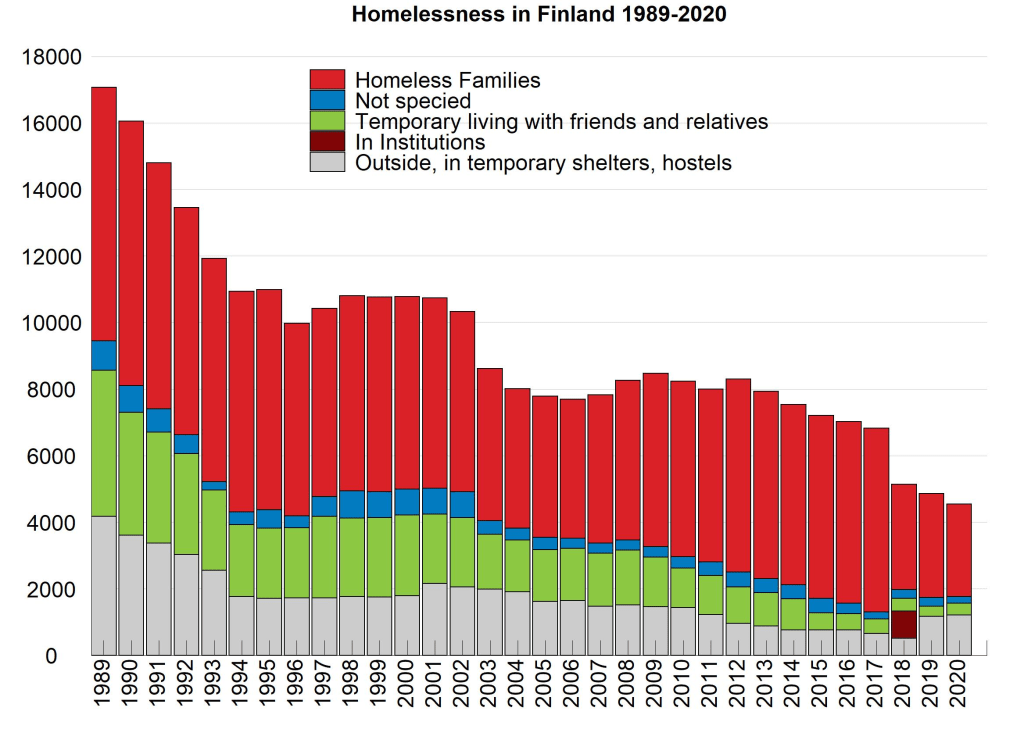
        The number of homeless people in Finland has continuously decreased over the past three decades from over 16 000 in 1989 to around 4 000, or 0.08% of the population (Figure 1). This is a very low number, especially considering that Finland uses a relatively broad definition of homelessness, whereby in particular it includes people temporarily living with friends and relatives in its official homelessness count. In 2020, practically no-one was sleeping rough on a given night in Finland.  

        Figure 1. Homelessness has shrunk remarkably in Finland

        Source: Report 2021: Homelessness in Finland 2020, The Housing Finance and Development Centre of Finland (ARA).

        This is undoubtedly a remarkable success, even if comparing homelessness statistics across countries is fraught with difficulties (OECD, 2020). Many homeless people live precariously, with the implication that statistical tools such as household surveys typically fail to accurately measure their living conditions. Furthermore, countries define homelessness very differently, for instance counting people who temporarily live with friends or relatives as homeless (as Finland does) or excluding them from homelessness statistics. While there is no OECD-wide average against which to compare Finland’s homeless rate of 0.08%, other countries with similarly broad definitions of homelessness provide points of reference, such as neighbouring Sweden (0.33%) or the Netherlands (0.23%).1

        Finland’s success is not a matter of luck or the outcome of “quick fixes.” Rather, it is the result of a sustained, well-resourced national strategy, driven by a “Housing First” approach, which provides people experiencing homelessness with immediate, independent, permanent housing, rather than temporary accommodation (OECD, 2020). A key pillar of this effort has been to combine emergency assistance with the supply of rentals to host previously homeless people, either by converting some existing shelters into residential buildings with independent apartments (Kaakinen, 2019) or by building new flats by a government agency (ARA, 2021). Building flats is key: otherwise, especially if housing supply is particularly rigid, the funding of rentals can risk driving up rents (OECD, 2021a), thus reducing the “bang for the buck” of public spending.  

        The Finnish experience demonstrates the effectiveness of tackling homelessness through a combination of financial assistance, integrated and targeted support services and more supply: using just one of these levers is unlikely to work. Financial assistance comes from the social benefits systems, which includes a housing allowance for low-income people (mostly jobless persons with no or low unemployment benefits) covering about 80% of housing costs (Kangas and Kalliomaa-Puha, 2019). Emergency social assistance funding can complement the housing allowance if it is insufficient. Social services provide housing before other interventions that are targeted to beneficiaries’ needs (such as, to pick one example, providing health services to help overcome substance abuse). These efforts require dwellings: investment grants by Finland’s Housing Finance and Development Centre financed the construction of 2 200 flats over 2016-19 for long-term homeless people (ARA, 2021). Indeed, investing in housing development should be a priority for OECD governments as they navigate the recovery from the crisis: over the past two decades, public investment in housing development has dropped to just 0.06% of GDP across the OECD on average (OECD, 2021b). 

        Another important driver of Finland’s success is the integration of efforts to fight homelessness with other parts of the social safety net. When a housing need is identified in any part of the social service system, housing is provided first, to provide a solid basis for employment, long-term health and/or family assistance (OECD, 2020). This integrated approach avoids the pitfalls that can arise, for instance, when benefits are preconditioned on having an address, or when obtaining a flat requires a minimum income. There are indications that, by facilitating the integration of previously homeless people in society, the upfront Finnish investment that provides people with housing first, pays off by reducing subsequent costs incurred by social services. Evaluations point to annual savings in public expenditure in the range of EUR 9 600-15 000 per person who had previously experienced homelessness (Y-Foundation, 2017; Ministry of the Environment, 2011).  

        Overall, Finland’s achievements illustrate the benefits of integration, balance and continuity in policies to tackle homelessness: integration across housing and social assistance programmes, balance between demand and supply, and political continuity over time have helped to maximise the results of the country’s investment to end homelessness. Not only has this approach resulted in a steady decline in homelessness, but it has also made the system more resilient to shocks, including the COVID-19 crisis. Indeed, the pandemic was less of a strain to Finland’s homeless support system compared to other countries, given that many vulnerable people were already housed and supported in individual flats (Fondation Abbé Pierre – FEANTSA, 2021).  

        These lessons can be transposed to other OECD countries as they look to build on the momentum and lessons learned from the COVID crisis. 

        References 

        ARA (2021), Report 2021: Homelessness in Finland 2020, The Housing Finance and Development Centre of Finland (ARA). Fondation Abbé Pierre – FEANTSA (2021), Sixth Overview of Housing Exclusion in Europe, FEANTSA – Abbé Pierre.  

        Kaakinen, J. (2019), “Time to act: Let’s end homelessness for good,” OECD Forum Network Series on the New Societal Contract. 

        Kangas, O. and L. Kalliomaa-Puha(2019), “ESPN Thematic Report on National Strategies to Fight Homelessness and Housing Exclusion: Finland”, European Social Policy Network (ESPN), European Commission, Brussels.

        Ministry of the Environment (2011), Asunnottomuuden vähentämisen taloudelliset [Economic effects of reducing homelessness], Ympäristöministeriön.

        OECD (2020), “Better data and policies to fight homelessness in the OECD”, Policy Brief on Affordable Housing, OECD, Paris, http://oe.cd/homelessness-2020

        OECD (2021a), Brick by Brick: Building Better Housing PoliciesOECD, Paris. 

        OECD (2021b), OECD Affordable Housing Database, indicator PH1.1, OECD, Paris.  

        Pleace, N. et al. (2021), European Homelessness and COVID 19, European Observatory on Homelessness.  


        Reconciling housing and the environment: is it possible, and how?

        By Grace Alexander, Ioannis Tikoudis, Katherine Farrow and Walid Oueslati, OECD Environment Directorate

        Ensuring widespread access to affordable housing constitutes a significant policy challenge in many countries. Increasing housing costs in urban areas push many to live in less accessible locations and to lower their living standards. This can reduce wellbeing, undermine social cohesion and eventually jeopardize political stability. At the same time, another policy challenge, equally urgent and multifaceted, emerges from climate change and environmental degradation in urban areas. The cost that climate change, air pollution and biodiversity loss impose on modern societies is significant: health, food systems and infrastructure are all affected, and the consequences will only grow if these issues are left unaddressed. Are the housing and environmental crises somehow interrelated? Do governments have the relevant tools to pursue affordability and environmental sustainability at the same time?

        How we build our urban areas affects housing markets and comes with certain environmental costs. The residential sector accounts for a large share of fine particulate matter (Figure 1), an air pollutant associated with severe health impacts, with the sector responsible for 37% of the emissions of fine particulate matter globally. Limits on building height and density, applied widely around the world, reduce housing supply and contribute to observed house price surges. Similar regulations cause cities to spread outwards, causing irreversible changes on the natural areas surrounding cities and generating more greenhouse gas emissions per capita. The phenomenon of rapid suburban expansion, which has come to be known as urban sprawl, possessed tremendous momentum for decades and continues to be a focal issue in urban development today. Sprawled cities imply greater travel distances, make residents more dependent on their cars and tend to increase the cost of providing public transport services (OECD 2018).

        Figure 1. Housing accounts for a large share of fine particulate matter

        Source: Air emission accounts, OECD Environment Database

        Reconciling housing and the environment, published in the OECD report “Brick by Brick, provides an anatomy of such practices, and their long run social cost. The chapter explores ways to build our urban areas by balancing housing affordability and environmental quality. It is not only that housing policies affect the environment, the chapter reports, but also that urban environmental policies can have a significant impact on our house values. Reducing pollution and increasing green spaces increase the value of nearby housing stock. Although energy efficiency regulations may increase construction costs, they also add value to homes that are subject to such regulations. Importantly, the value that environmental regulations can add to the existing housing stock should not be confused with the rise in house prices caused by mechanisms causing artificial scarcity, such as regulatory constraints on housing supply.

        Ultimately, the homes that we live in and the environment around us are crucial to our health and wellbeing. By considering the effect of the residential sector on the environment, and vice versa, the chapter outlines how we may be able to strike a sustainable balance between the two.

        Further Reading:

        OECD (2021), Brick by Brick: Building Better Housing Policies, OECD Publishing, Paris, https://doi.org/10.1787/b453b043-en.

        OECD (2021), Reconciling Housing and the Environment., Brick by Brick: Building Better Housing Policies, OECD Publishing, Paris, https://doi.org/10.1787/96aaa66a-en

        OECD (2018), Rethinking Urban Sprawl: Moving Towards Sustainable Cities, OECD Publishing, Paris, https://doi.org/10.1787/9789264189881-en.